
Draw The Major Organic Product Of The Reaction Conditions Shown
Draw The Major Organic Product Of The Reaction Conditions Shown - The sooner you can get into the habit of recognizing bond. Web recognize and distinguish between the four major types of organic reactions (additions, eliminations, substitutions, and rearrangements) In the box to the right, draw the major organic product of the reaction conditions shown. We will learn about the reaction mechanisms, and how. Web there are 2 steps to solve this one. Show the stereochemistry in your structure and include bonds to hydrogen. Web in order for relatively stable organic molecules to react at a reasonable rate, they often must be modified with the use of highly reactive materials or in the presence. Understand that a carbocation is an intermediate that has an electrophilic carbon center which arranges itself to form the most stable. Web draw the major organic product of the reaction under the given conditions. Which of the following would be true?. Do not draw any byproducts formed. Which of the following would be true?. Web draw the major organic product(s) for the following reaction. Draw the major organic product of the reaction. Web give the major organic product of each reaction of methyl pentanoate with the given 6 reagents under the conditions shown. If the reaction is expected to result in a mixture of elimination and substitution product, show both. Charges and nonbonding electrons do not need to be. Web learning to identify the characteristic sources and sinks in different functional groups is the key to learning organic chemistry reaction mechanisms. Web draw structural formulas for the major organic product(s) of the reaction shown below: Web at least 80% of the reactions students in organic chemistry fall into one of these four categories. Web in order for relatively stable organic molecules to react at a reasonable rate, they often must be modified with the use of highly reactive materials or in the presence. Web predict the major organic product(s) of the following reactions. Web draw the major organic product of the reaction under the given conditions. Do not draw any byproducts formed. In. Web sn1, sn2, e1, and e2 reactions form the basis for understanding why certain products are more likely to form than others. Zn/hg, hcl (aq) your solution’s ready to go!. Charges and nonbonding electrons do not need to be. Only show the transformation for the starting organic compound.w. Web predict the major organic product(s) of the following reactions. Draw a major organic product for the reaction shown. We will learn about the reaction mechanisms, and how. Which of the following would be true?. Web draw the major organic product of the reaction under the given conditions. Web there are 2 steps to solve this one. The sooner you can get into the habit of recognizing bond. Show the stereochemistry in your structure and include bonds to hydrogen. In the box to the right, draw the major organic product of the reaction conditions shown. Web draw structural formulas for the major organic product(s) of the reaction shown below: Web sn1, sn2, e1, and e2 reactions form. Charges and nonbonding electrons do not need to be. In the box to the right, draw the major organic product of the reaction conditions shown. Draw the major organic product of the reaction. Web recognize and distinguish between the four major types of organic reactions (additions, eliminations, substitutions, and rearrangements) Draw a major organic product for the reaction shown. We will learn about the reaction mechanisms, and how. Web there are 2 steps to solve this one. The sooner you can get into the habit of recognizing bond. Web predict the major organic product(s) of the following reactions. Understand that a carbocation is an intermediate that has an electrophilic carbon center which arranges itself to form the most stable. Zn/hg, hcl (aq) your solution’s ready to go!. Draw the major organic product of the reaction. Which of the following would be true?. Charges and nonbonding electrons do not need to be. Web at least 80% of the reactions students in organic chemistry fall into one of these four categories. In the box to the right, draw the major organic product of the reaction conditions shown. The reaction is carried out in concentrated h2so4 at high temperature, which is a condition for dehydration of. Only show the transformation for the starting organic compound.w. Multiple products may be drawn in one box, in any order. We will learn about the reaction. No2 h2so4 hno3 you do not have to consider stereochemistry. Web learning to identify the characteristic sources and sinks in different functional groups is the key to learning organic chemistry reaction mechanisms. Web at least 80% of the reactions students in organic chemistry fall into one of these four categories. Web there are 2 steps to solve this one. Web. The sooner you can get into the habit of recognizing bond. In the box to the right. Show the stereochemistry in your structure and include bonds to hydrogen. Zn/hg, hcl (aq) your solution’s ready to go!. Web sn1, sn2, e1, and e2 reactions form the basis for understanding why certain products are more likely to form than others. Web learning to identify the characteristic sources and sinks in different functional groups is the key to learning organic chemistry reaction mechanisms. Web draw the major organic product of the reaction under the given conditions. Multiple products may be drawn in one box, in any order. We will learn about the reaction mechanisms, and how. Zn/hg, hcl (aq) your solution’s ready to go!. Charges and nonbonding electrons do not need to be. Web draw the major organic product for each reaction sequence. Web predict the major organic product(s) of the following reactions. Web recognize and distinguish between the four major types of organic reactions (additions, eliminations, substitutions, and rearrangements) Do not draw any byproducts formed. In the box to the right. No2 h2so4 hno3 you do not have to consider stereochemistry. The reaction is carried out in concentrated h2so4 at high temperature, which is a condition for dehydration of. Web in order for relatively stable organic molecules to react at a reasonable rate, they often must be modified with the use of highly reactive materials or in the presence. Which of the following would be true?. Web draw structural formulas for the major organic product(s) of the reaction shown below: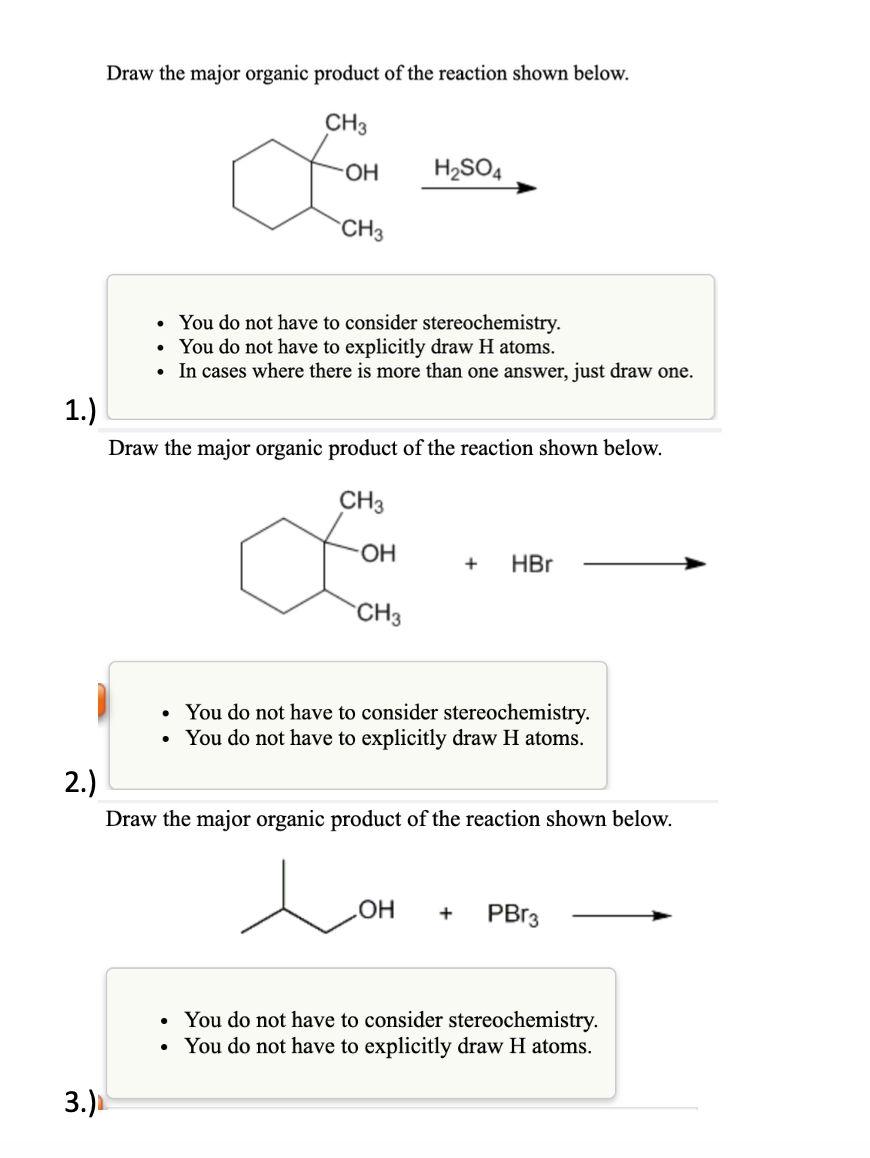
Solved Draw the major organic product of the reaction shown
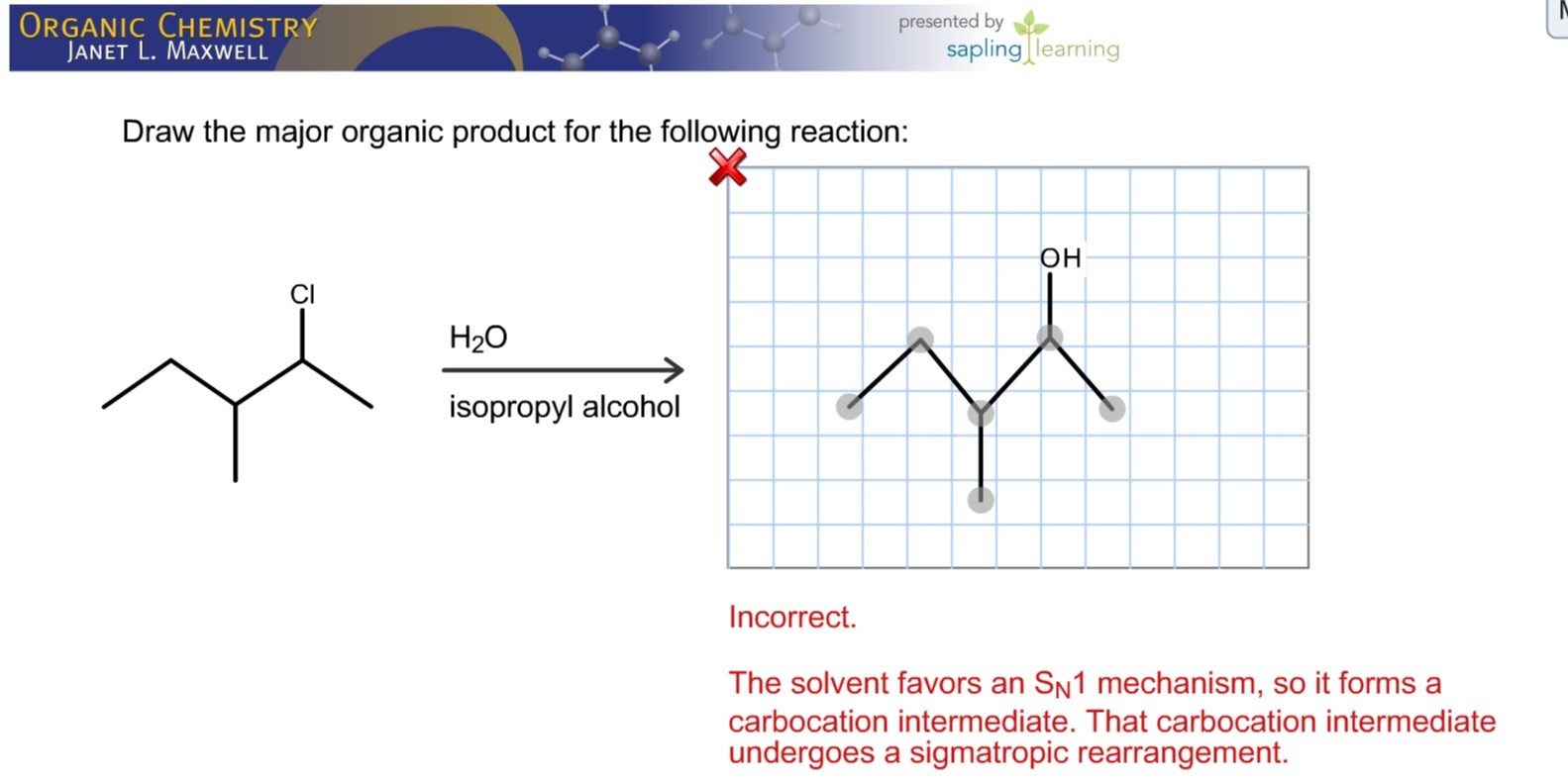
Draw The Major Organic Product Of The Reaction Shown vrogue.co
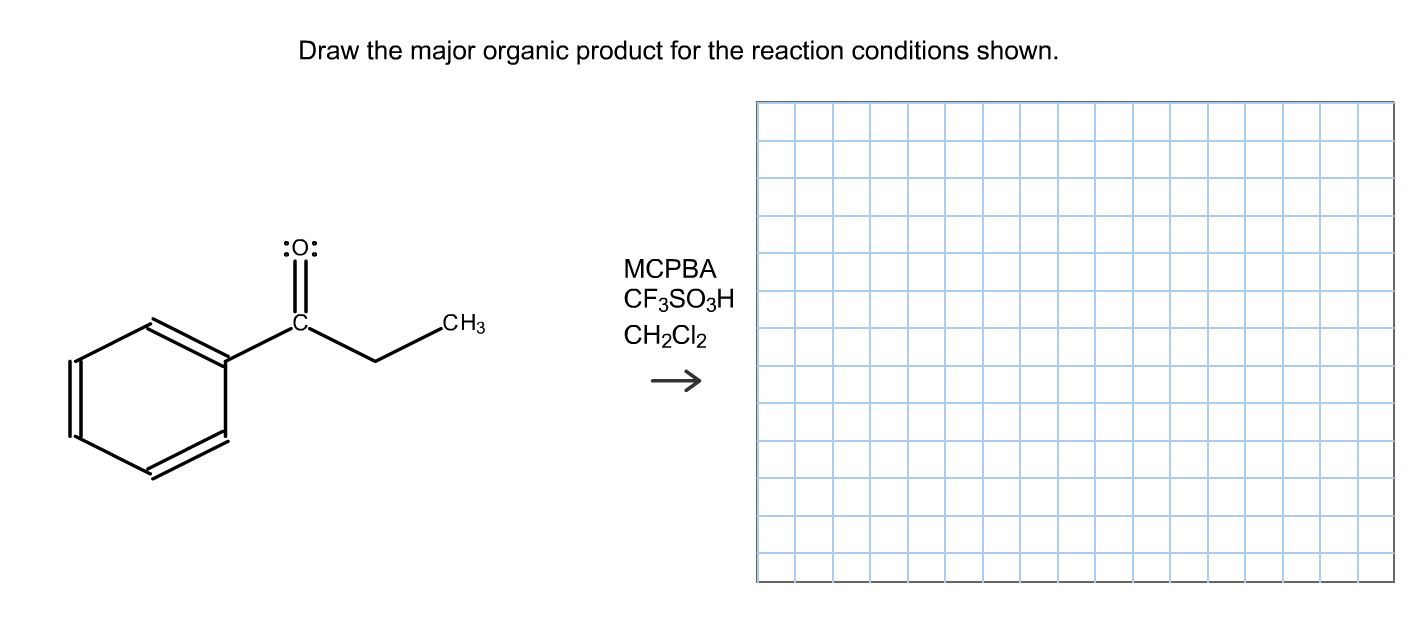
Draw The Major Organic Product Of The Reaction Conditions Shown
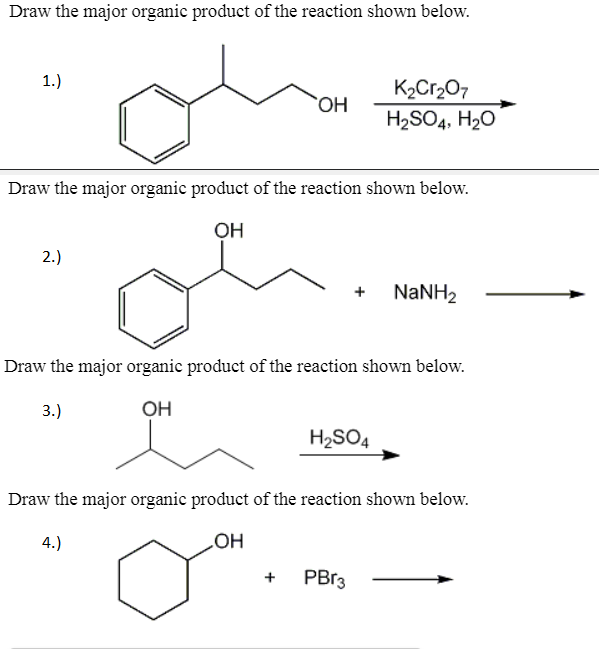
Solved Draw the major organic product of the reaction shown
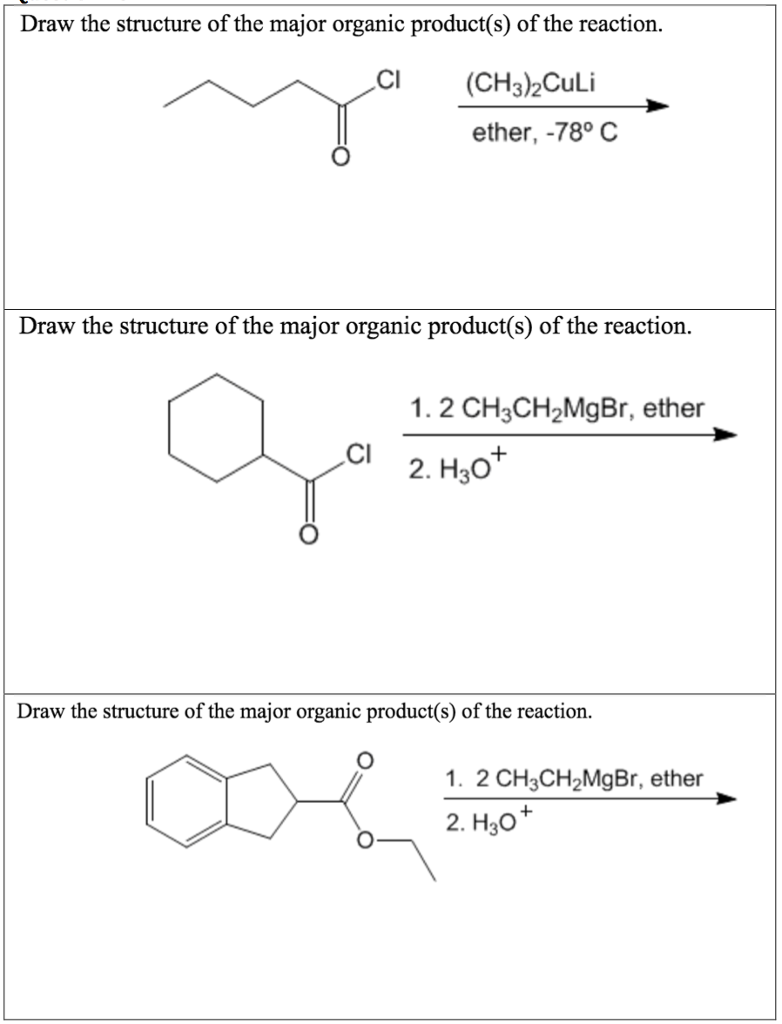
Draw The Major Organic Product Of The Reaction Conditions Shown Draw
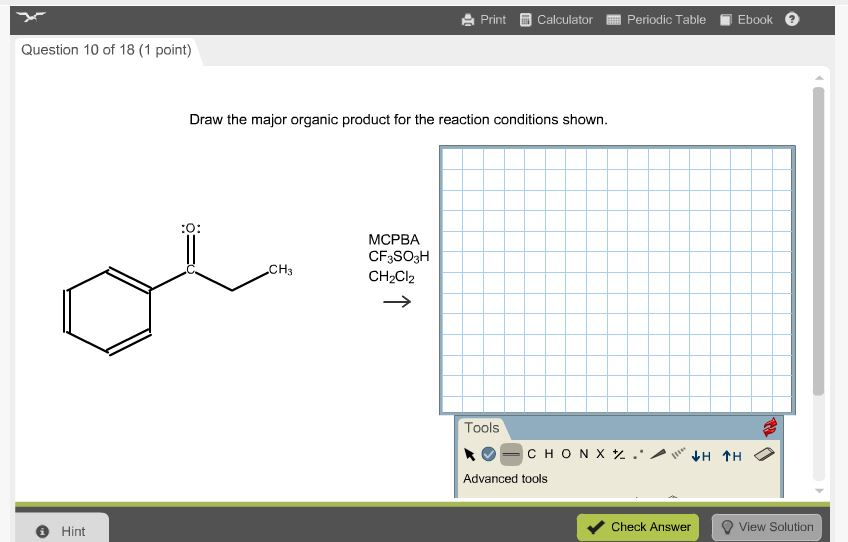
Solved Draw the major organic product for the reaction

Draw The Major Organic Product Of The Reaction Conditions Shown The

Draw The Major Organic Product Of The Reaction Conditions Shown The
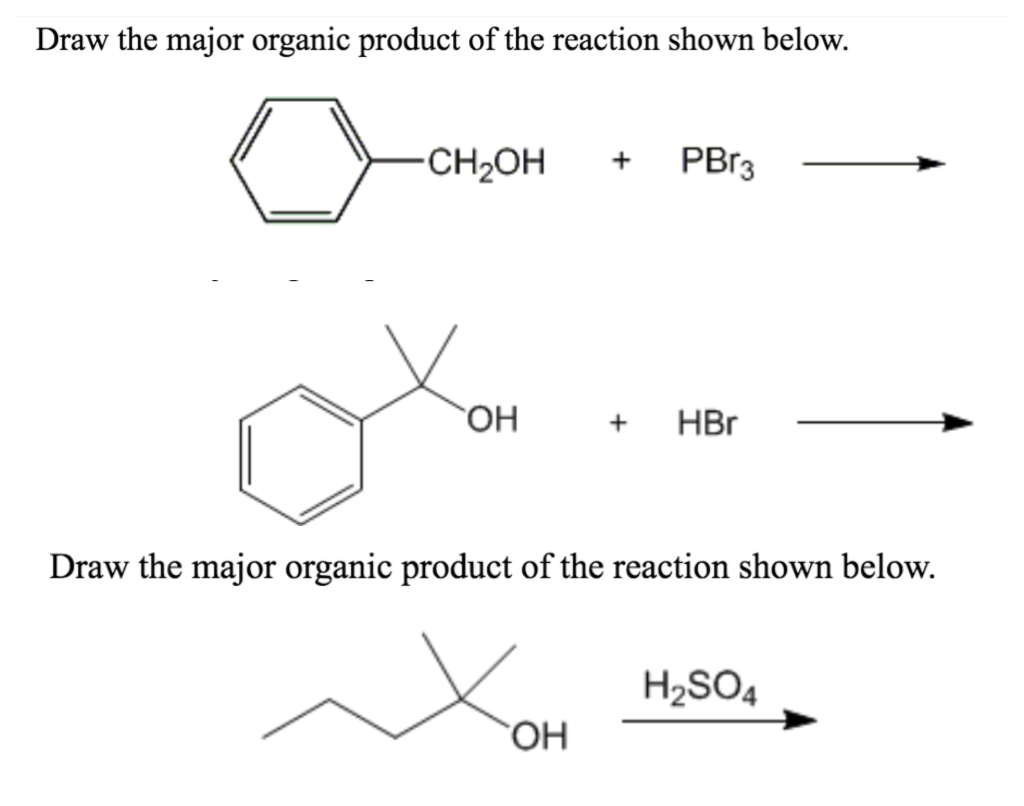
Solved Draw the major organic product of the reaction shown
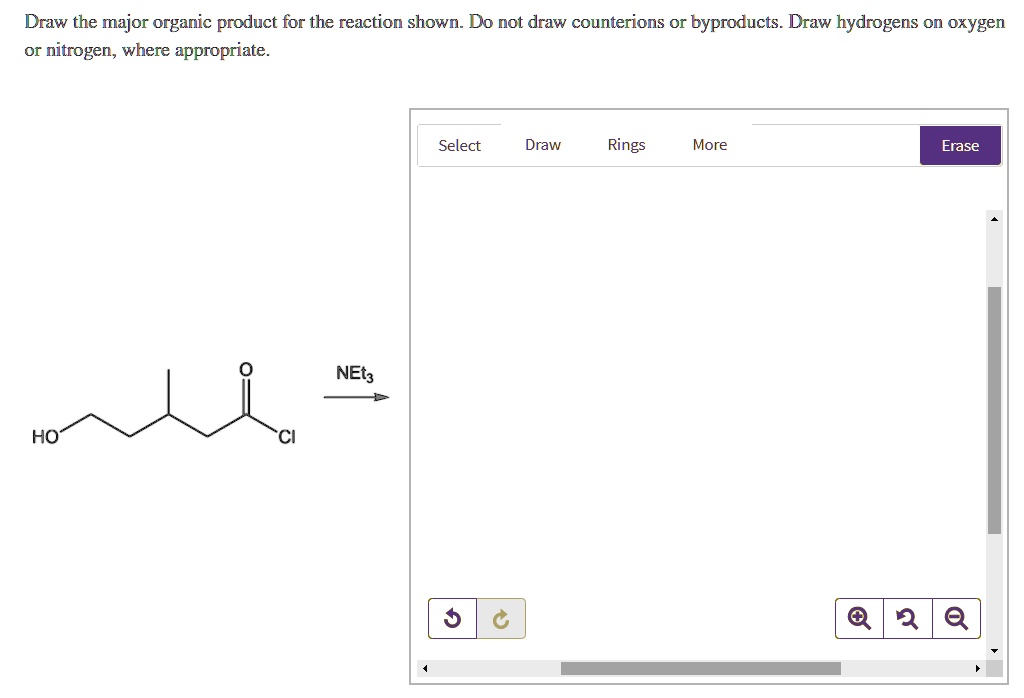
SOLVED Draw the major organic product for the reaction shown. Do not
In The Box To The Right, Draw The Major Organic Product Of The Reaction Conditions Shown.
Draw The Major Organic Product Of The Indicated Reaction Conditions.
Web At Least 80% Of The Reactions Students In Organic Chemistry Fall Into One Of These Four Categories.
Draw The Major Organic Product Of The Reaction.
Related Post: