
Drawing Of Skeletal Muscle
Drawing Of Skeletal Muscle - Within muscles, there are layers of connective tissue called the epimysium, perimysium, and endomysium. Web a complete list of muscles. Understanding the anatomy of muscles is essential for realistic depictions. The fibers run the entire length of the muscle they come from and so are usually too long to have their ends visible when viewed under the microscope. Describe the layers of connective tissues packaging skeletal muscle. Explain how muscles work with tendons to move the body. This type of muscle creates movement in the body. Each skeletal muscle has three layers of connective tissue that enclose it and provide structure to the muscle as a whole, and also compartmentalize the muscle fibers within the muscle. Web skeletal muscle is an excitable, contractile tissue responsible for maintaining posture and moving the orbits, together with the appendicular and axial skeletons. Mastering the human skeleton will mean you get figure drawing right every time. This type of muscle creates movement in the body. There are three types of muscles: After all, they offer anchor points for muscle origin and insertion. There are more than 600 skeletal muscles, and they makes up about 40 percent of a person’s body weight. The bones of the skeletal system serve to protect the body's organs, support the weight of the body, and give the body shape. Muscle and fat, in contrast, can vary wildly from person to person and even throughout a lifetime. The fibers run the entire length of the muscle they come from and so are usually too long to have their ends visible when viewed under the microscope. We’ve created muscle anatomy charts for every muscle containing region of the body: They are made of muscle fibres and play an important role in muscle excitation and contraction. Web a complete list of muscles. Web skeletal muscles contain connective tissue, blood vessels, and nerves. Describe the layers of connective tissues packaging skeletal muscle. Web skeletal muscles are voluntary and striated in nature. Cardiac muscles, found only in the heart, work involuntarily and at a moderate speed to keep our heart beating. Here are some key points to keep in mind: Identify areas of the skeletal muscle fibers. Web these tissues include the skeletal muscle fibers, blood vessels, nerve fibers, and connective tissue. Mastering the human skeleton will mean you get figure drawing right every time. Web practice drawing different muscle groups, including the biceps, triceps, abs, and quads. Web in this video i have shown the simplest way of drawing. Web these tissues include the skeletal muscle fibers, blood vessels, nerve fibers, and connective tissue. Web skeletal muscle is found attached to bones. Identify areas of the skeletal muscle fibers. Speaking, walking, or writing) requires skeletal muscle. Here, let's learn more about the skeletal muscle description with a labelled diagram. Explain how muscles work with tendons to move the body. Web skeletal muscles are voluntary and striated in nature. These layers cover muscle subunits, individual muscle cells, and myofibrils respectively. Web in the musculoskeletal system, the muscular and skeletal systems work together to support and move the body. Web skeletal muscle is an excitable, contractile tissue responsible for maintaining posture. A comprehensive guide to drawing realistic muscles. Overview of the anatomy, function and main structures of the muscular system. Web these tissues include the skeletal muscle fibers, blood vessels, nerve fibers, and connective tissue. There are three layers of connective tissue: Blood vessels and nerves enter the connective tissue and branch in the cell. There are more than 600 skeletal muscles, and they makes up about 40 percent of a person’s body weight. There are three layers of connective tissue: We’ve created muscle anatomy charts for every muscle containing region of the body: It is the pen diagram of skeletal, smooth and cardiac muscle for class 10, 11 and 12. A comprehensive guide to. It consists of long multinucleate fibers. Explain how muscles work with tendons to move the body. Understanding the anatomy of muscles is essential for realistic depictions. This type of muscle creates movement in the body. The bones of the skeletal system serve to protect the body's organs, support the weight of the body, and give the body shape. It consists of long multinucleate fibers. Identify areas of the skeletal muscle fibers. It is the pen diagram of skeletal, smooth and cardiac muscle for class 10, 11 and 12. Web a complete list of muscles. There are three types of muscles: The fibers run the entire length of the muscle they come from and so are usually too long to have their ends visible when viewed under the microscope. There are three types of muscles: These layers cover muscle subunits, individual muscle cells, and myofibrils respectively. There are three layers of connective tissue: Web our bodies are equipped with three types. Explain how muscles work with tendons to move the body. Web a complete list of muscles. Each chart groups the muscles of that region into its component groups, making your revision a million times easier. These layers cover muscle subunits, individual muscle cells, and myofibrils respectively. There are more than 600 skeletal muscles, and they makes up about 40 percent. Here are some key points to keep in mind: Mastering the human skeleton will mean you get figure drawing right every time. Speaking, walking, or writing) requires skeletal muscle. Web skeletal muscle is found attached to bones. Web these tissues include the skeletal muscle fibers, blood vessels, nerve fibers, and connective tissue. It consists of long multinucleate fibers. There are more than 600 skeletal muscles, and they makes up about 40 percent of a person’s body weight. There are three types of muscles: Skeletal muscles, attached to bones and tendons, help us move voluntarily and quickly. Identify areas of the skeletal muscle fibers. The musculoskeletal system (locomotor system) is a human body system that provides our body with movement, stability, shape, and support. Describe the layers of connective tissues packaging skeletal muscle. They are made of muscle fibres and play an important role in muscle excitation and contraction. Bones are the foundation of the body. Understanding the anatomy of muscles is essential for realistic depictions. We’ve created muscle anatomy charts for every muscle containing region of the body:
(A) Illustration of skeletal muscle structure copied with permission
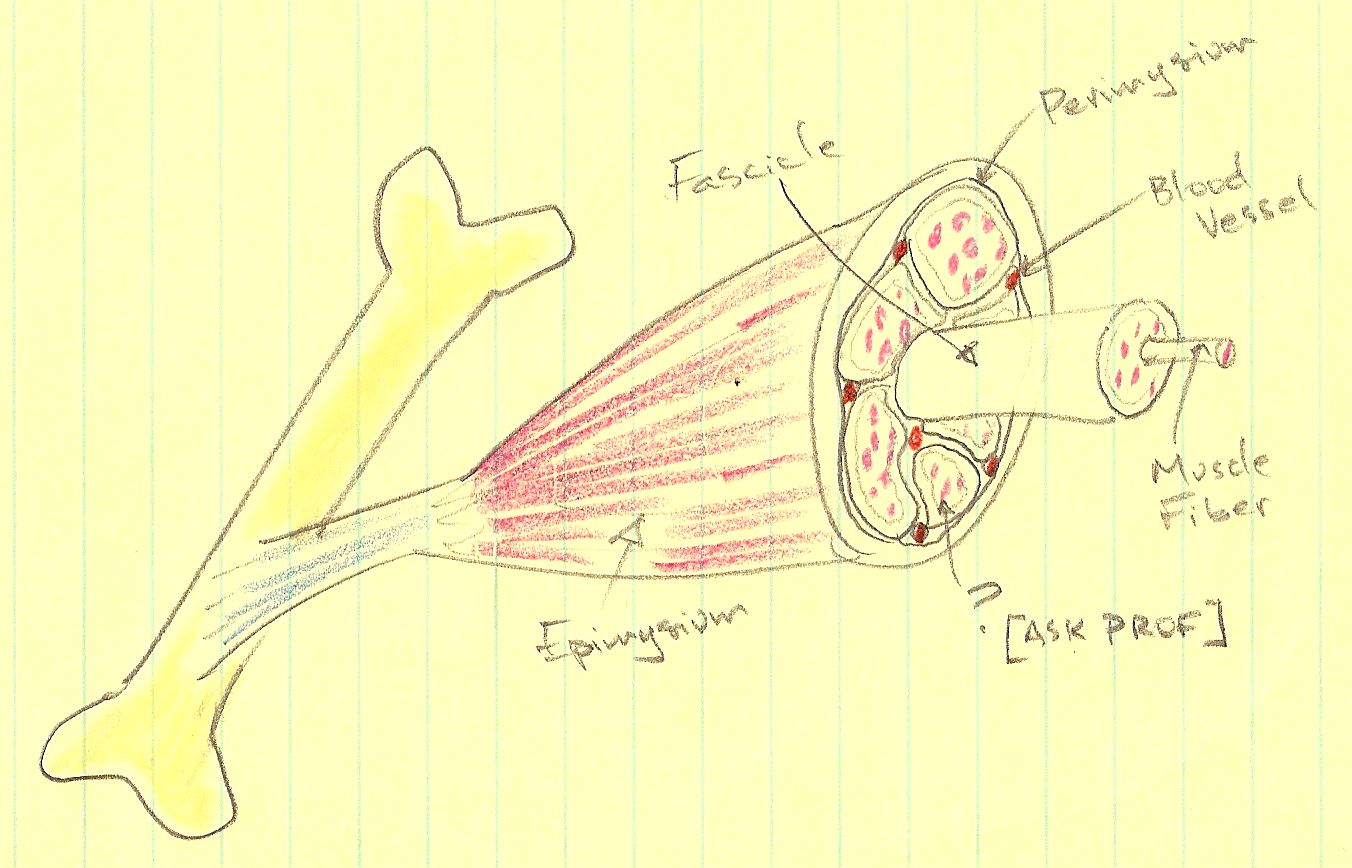
Skeletal Muscle Drawing at Explore collection of
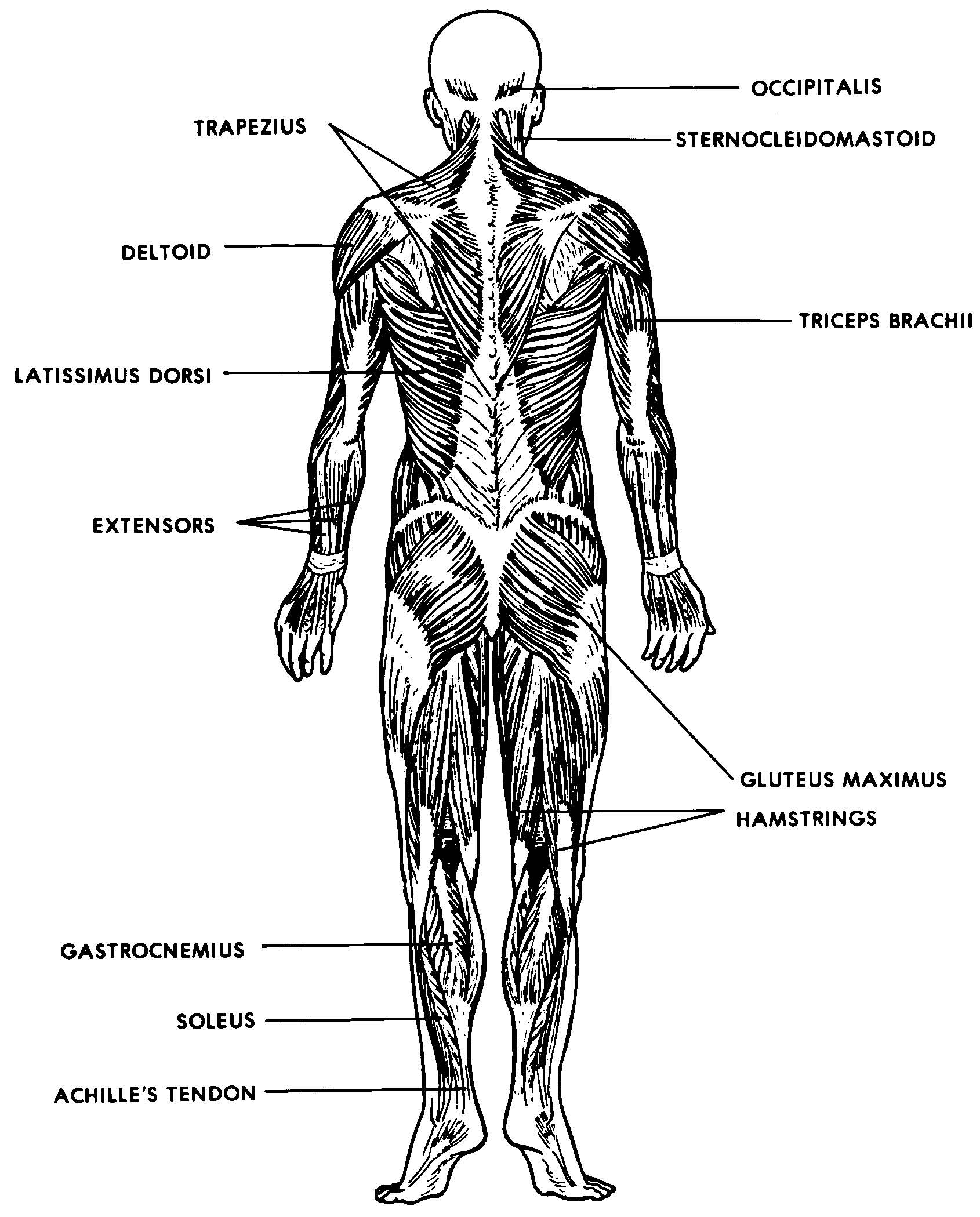
Images 05. Muscular System Basic Human Anatomy
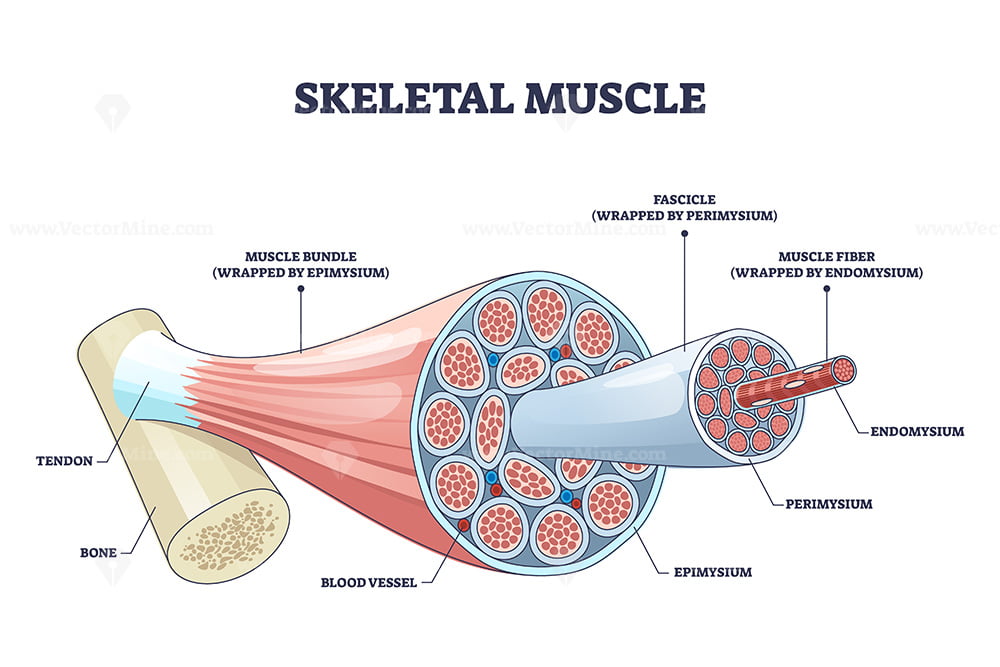
Skeletal muscle structure with anatomical inner layers outline diagram

Muscle Tissue Drawing at GetDrawings Free download

Skeletal Muscle Cell Structure
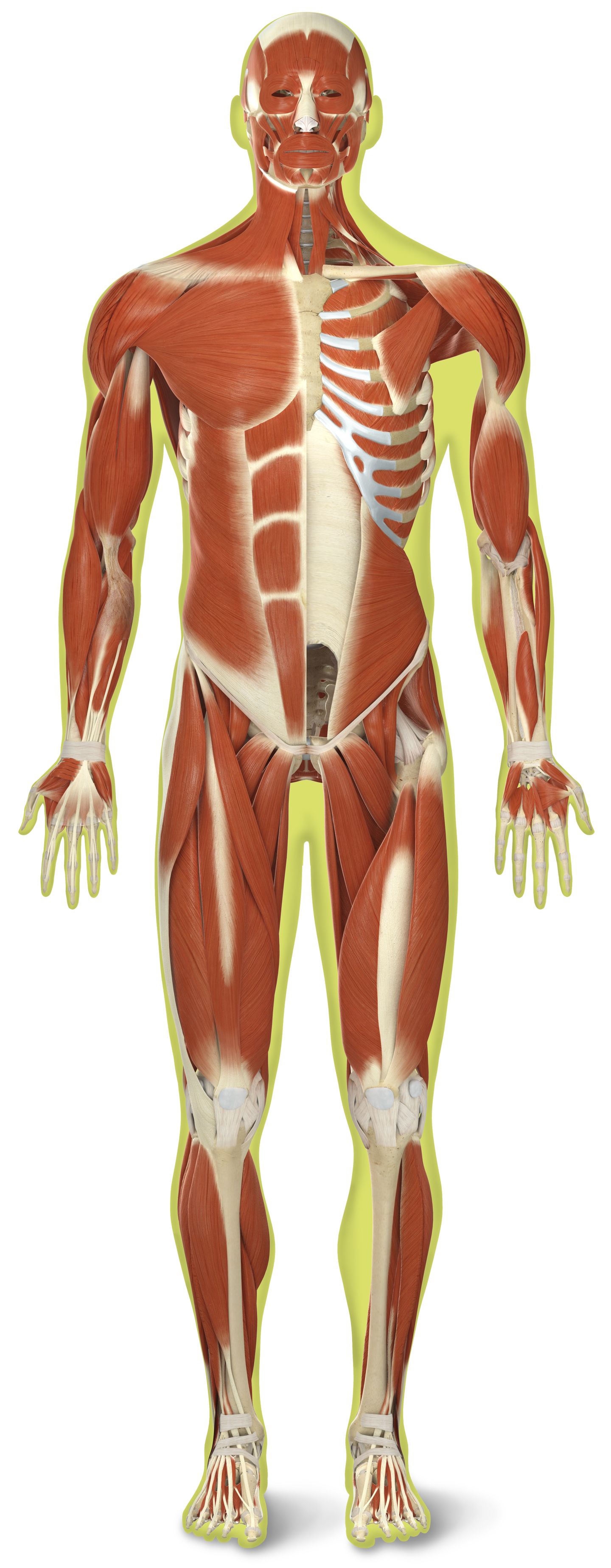
Skeletal Muscles Skeletal Muscle Definition DK Find Out

Skeletal muscle description with cross section structure outline
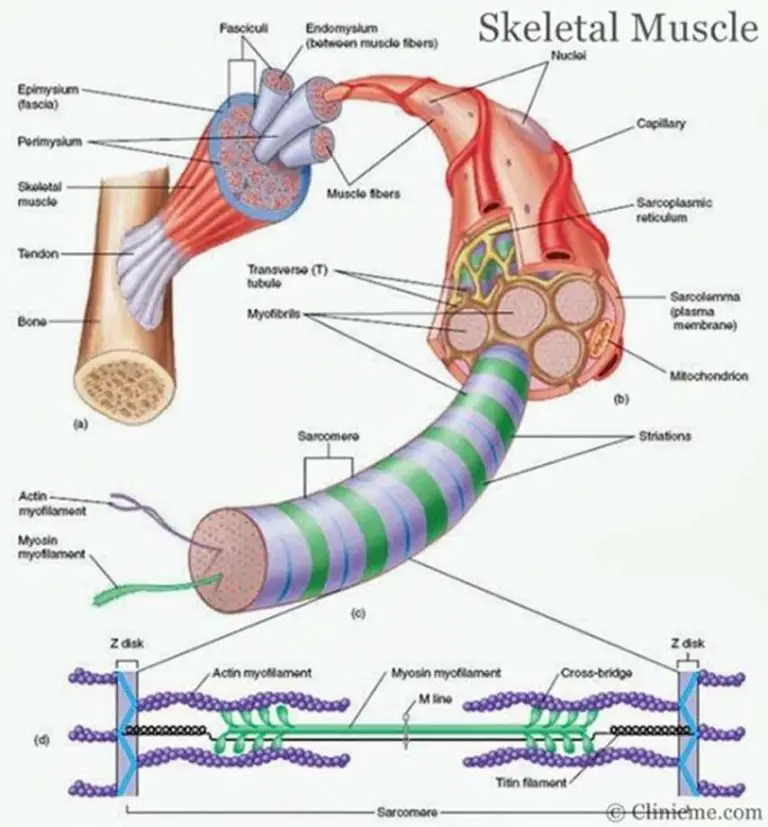
Skeletal muscle diagram

How To Draw Skeletal, Smooth and Cardiac Muscle Diagram Types Of
These Layers Cover Muscle Subunits, Individual Muscle Cells, And Myofibrils Respectively.
Web Identify And Describe The Microscopic Anatomy Of A Muscle Fiber And A Sarcomere.
Describe The Layers Of Connective Tissues Packaging Skeletal Muscle.
The Fibers Run The Entire Length Of The Muscle They Come From And So Are Usually Too Long To Have Their Ends Visible When Viewed Under The Microscope.
Related Post: